
Coldcard's $116M Hack: Why One Entropy Source Isn't Enough
Every security feature on a hardware wallet protects the key after it exists. The recent Coldcard hack, roughly $116 million drained from more than 5,200 addresses, shows what happens when the number behind that key came from one source and the source was wrong.

Who Is Satoshi Nakamoto? The Suspects and the 2026 Hunt to Unmask Bitcoin's Creator
More than 17 years after Bitcoin's first block, no one has proven who Satoshi Nakamoto is. We go through the leading suspects, the competing answers from a 2026 documentary and the New York Times, and what Satoshi's untouched coins say about holding bitcoin yourself.

What is a Real-World Asset (RWA)? A Guide to RWAs on Base and How to Securely Store Them
A real-world asset is something that exists off the blockchain, like a US Treasury bond, a money market fund, a bar of gold, or a share of stock, represented on-chain as a token. The token isn’t a new asset with value of its own. It’s a claim on the real one, recorded on a blockchain so it can be moved, split, and held the way you’d hold any cryptocurrency.

Send Money Home Cheaper, Faster, and Easier by Mailing a Burner Card
Traditional remittance services charge an average of 6.49% per transfer, and the money can take days to arrive. Stablecoins move the same dollars for cents and settle in minutes, which is why even Western Union launched its own stablecoin in 2026. The work falls on the receiving end, where the recipient has to set up a crypto wallet before they can use the money. A preloaded Burner card takes that work off them. This post explains how stablecoin remittances work, why onboarding is the hard part, and how mailing a ready-to-use card moves the setup to the sender instead.

Payment Psychology That Makes Customers Spend More, And How You Can Copy It
Customers spend 64-177% more when the act of paying is separated from the act of buying. Disney, Starbucks, casinos, and cruise lines have all engineered their payment systems around that gap, while cash businesses sit at the opposite end, carrying the highest psychological friction of any payment method. This post breaks down the behavioral research behind the "pain of paying," explains why stored-value systems lower it, and shows how a Burner card loaded with stablecoins gives any small business access to the same spending psychology without building a proprietary platform.

The CLARITY Act Just Cleared the Senate. Here's What It Means If You Hold Stablecoins.
The Senate Banking Committee advanced the CLARITY Act on May 14, 2026, bringing the first comprehensive federal crypto market-structure bill closer to becoming law. The legislation splits oversight between the CFTC, SEC, and banking regulators while formally recognizing payment stablecoins under the GENIUS Act framework. Most notably for everyday users, Section 605 protects the right to self-custody through hardware and software wallets. This article breaks down what the bill actually changes for stablecoin holders, self-custody users, exchanges, and merchants accepting crypto payments.
What Are Stablecoins? A Plain-English Guide for 2026
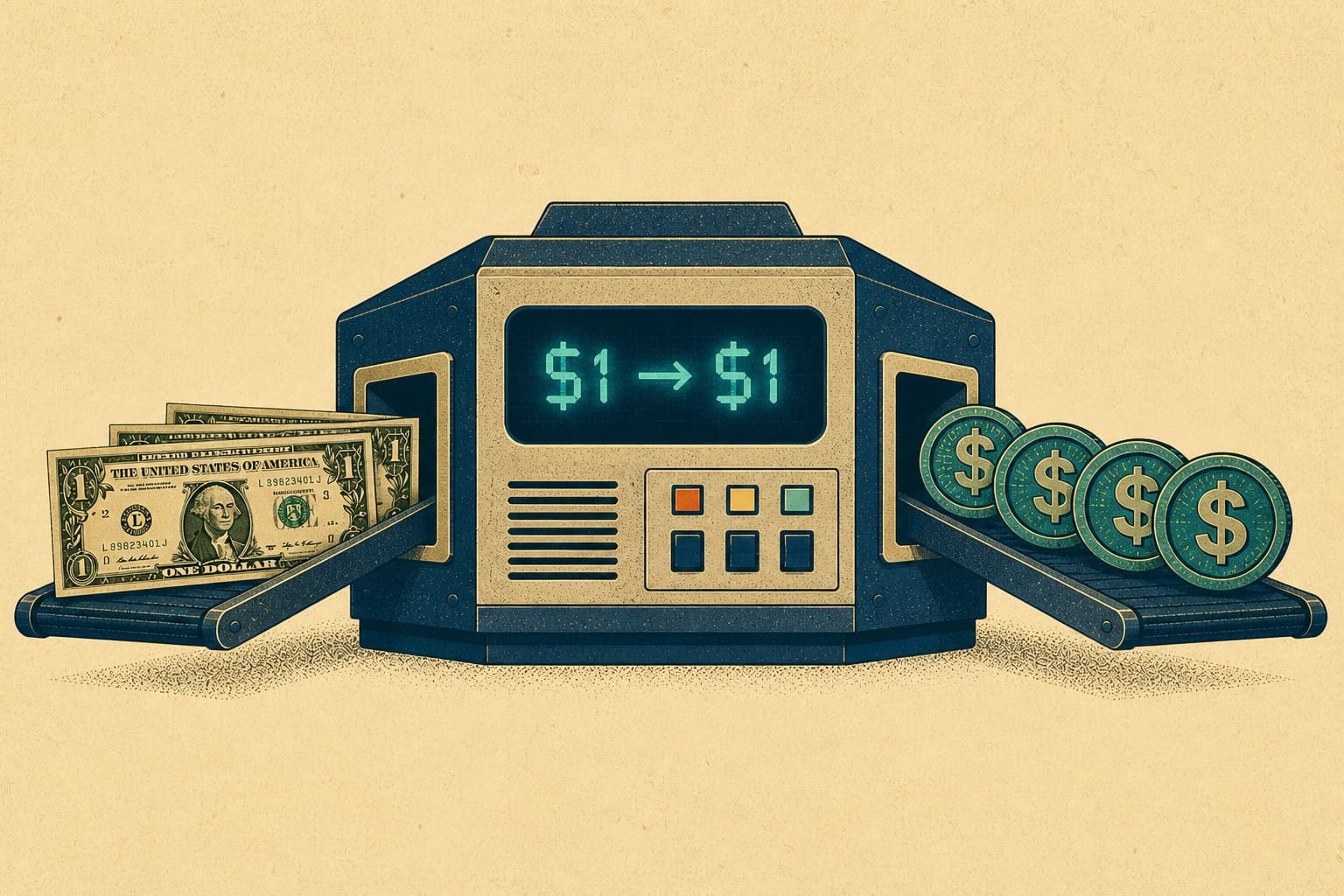
Crypto can swing wildly in value, and that volatility is exactly what makes it impractical to use as everyday money. Stablecoins solve this by pegging a digital token to a stable asset, usually the US dollar, so it moves on blockchain rails without the price swings. This guide explains what stablecoins are, the five types and how each holds its peg, what they're actually used for, the main risks to watch for, and the simplest ways to buy your first one.

The Vercel Breach Hit Crypto Teams Hardest. Why Secure Signing Matters.
Vercel confirmed a security breach on April 19, 2026. Attackers accessed API keys, database credentials, and deployment tokens for hundreds of customers. The attack started with malware on a Context AI employee's machine in February. From there, the attacker worked through a chain of stolen credentials into a Vercel employee's account and then into Vercel's internal systems. Crypto teams are most exposed because leaked credentials can lead to irreversible financial loss. Many Web3 projects store keys that connect to wallets, payment processors, and blockchain infrastructure in Vercel's environment variables.
The SEC Drew a Line Between Custodians and Self-Custody. Here's Where That Line Falls.
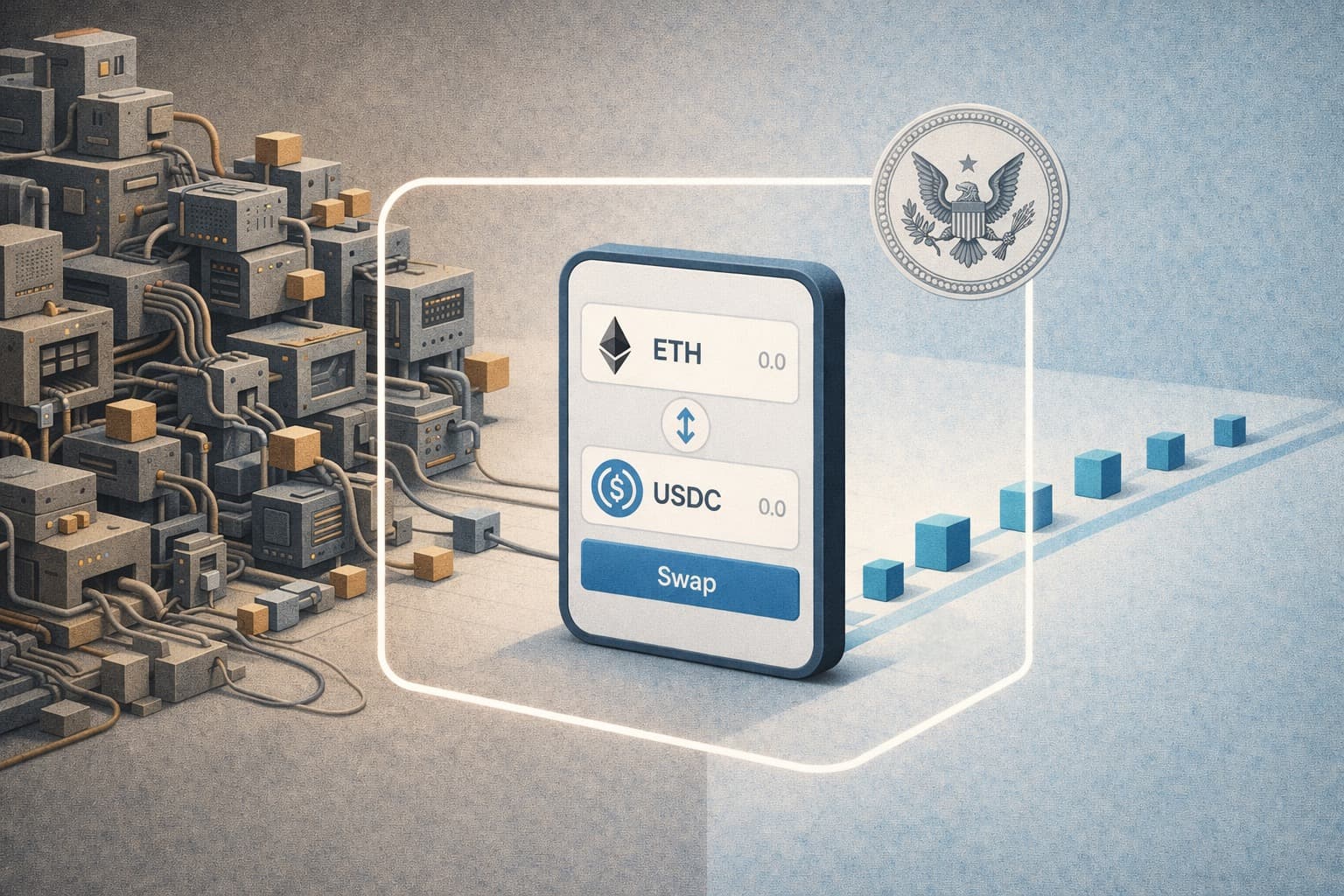
On April 13, 2026, the SEC issued a staff no-action statement: certain crypto interfaces don't need to register as broker-dealers The guidance covers websites, browser extensions, and mobile apps that help users initiate transactions from self-custodial wallets To qualify, providers must meet 12 specific conditions.
Global Stablecoin Adoption and the Future of US Payments
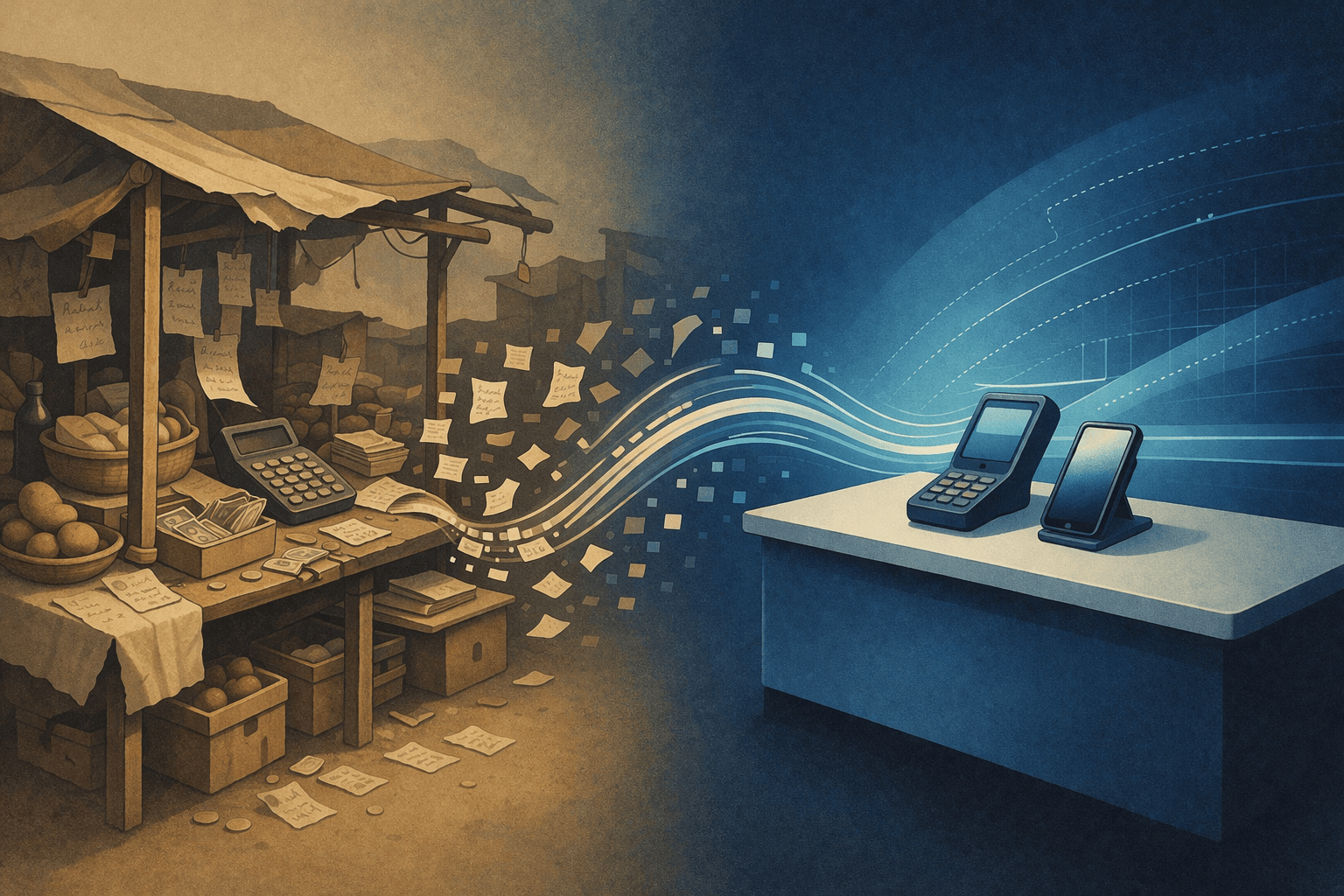
Emerging markets didn't wait for regulation or polished infrastructure. Merchants in Venezuela, Argentina, Brazil, and Nigeria adopted stablecoins because their financial systems were failing. The US now has both regulatory clarity and infrastructure from Visa, Stripe, and Shopify. What's missing is the last mile: a way for merchants to accept stablecoins at the counter.

High-Risk Merchant Accounts: Why You're Paying 10% Processing Fees
High-risk merchant accounts typically charge 8-10% in processing fees plus rolling reserves and constant termination risk. Learn why high-risk business credit card processing is so expensive and how stablecoins eliminate chargebacks, rolling reserves, and industry-based penalties.

Lower Fees, No Chargebacks: Why Stablecoins Beat Card Payments
Card payments work, but the fee structure was never built for small businesses. Every swipe passes through banks, networks, and processors, each taking a cut before the money reaches you. Stablecoins work differently: digital dollars that move directly from customer to merchant, settling in seconds instead of days. This post explains what stablecoins are, how they compare to cards, and why more merchants are paying attention. It's the second in a series on rethinking payments.